The Workend
Key Insights
A compulsive work mentality can help you get done a ton of work
But it only works if you take proper time off to recover
After my husband had been away most of the week for a work teambuilding event, I packed my bag (laundry basket, if I’m being honest) and drove off to our cabin on Friday night. A full weekend of boundaryless working lay ahead of me, topped off with an outdoor day on Monday. I had only one goal in mind: to write a book chapter I had been invited to write.
In September, my husband and I made a plan to give each other one weekend to ourselves each quarter. That is four weekends per year. We can travel, work out, work, do nothing, whatever we want. This first weekend, I spent it getting up to speed with work. It had been feeling behind for weeks, and the deadline for the book chapter delivery was looming over me. I desperately wanted to cross it off my list to free up space in my head.
When I set goals like this, I can get a bit compulsive. I consider myself a recovered workaholic, but on weekends like this, I have a pretty big relapse. My Saturday and Sunday looked identical, except that I took two hiking breaks on Saturday and one longer SUP break on Sunday. My schedule looked something like this:
7:15 breakfast
7:45 Writing block 1
10:15 Detether from the computer for fresh air
11:00 Writing block 2
1:00 Lunch
1:30 Writing block 3
3:30 Detether from the computer for fresh air
4:30 Writing block 4
7:00 Dinner
8:00 Be a vegetable
My relentlessness paid off. On Sunday evening, I wrapped up the last sentence of my book chapter. Done. Time for fun and relaxation. Time to have dinner with three colleagues who were in town for a leadership conference. Because these work splurges only work when you take time to recover afterward. If you don’t do that, you won’t be able to keep up your performance. In a study I published with colleagues in 2025, we show a clear pattern that work bursts increase same-day performance, but without recovery, next-day performance tanks.
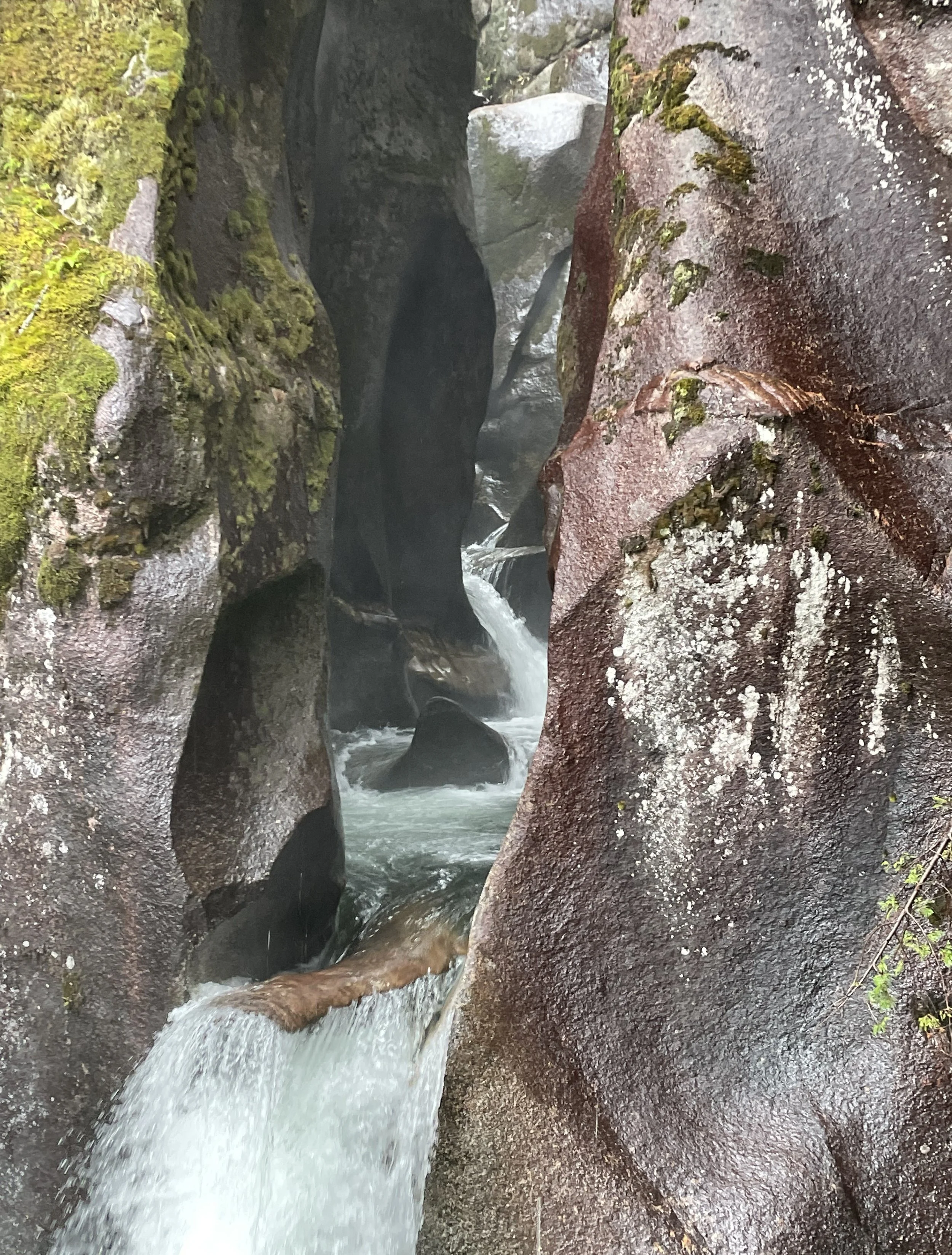
On Monday, my colleagues were still in town, and even though an atmospheric river was pouring down, my adventure-thirsty friends thought it was a great day for rafting. The plan was to raft down a river to reach a unique trailhead on the other side, then hike a trail that followed a waterfall to the top. I had too often declined my colleague’s adventure invitations, so this time, I just had to go. My work was done. My kids were taken care of. I had run out of excuses. I braced myself for a day of being wet and cold. We certainly got soaked, but never cold. Floating on the river was surprisingly easy and tons of fun. I had no idea that seals lived in this river. A bunch of them were curiously following us, wondering what sane human would go rafting on a day like this.
The hike was less easy, scary at times, but absolutely stunning. The views could have been straight out of a movie. And, less of a surprise perhaps given the weather, we were the only group out there. It almost felt surreal, staring in awe at the powerful waterfall and the holes it had etched through the rock over the years.
When we reached the top, my colleague asked us if there was anything we wanted to leave behind on this mountain (figuratively, obviously). I thought about this question for a while. What I really wanted to leave behind would likely never stay behind. I stayed silent. I was also not entirely sure whether leaving the trait behind would be good or bad. My relentlessness, my drive to complete stuff, I often felt imprisoned by it. I often wished I could stop it. I often wondered what it would be like to do nothing and be happy with that.
But after some reflection, I decided to take it back home. Because most of the time, I could tame it pretty well. And it had gotten me where I was. As long as I can take hiking days off like this, I want to see where it takes me next.